June 2, 2026
Maintaining a residential wastewater system is an essential part of responsible property ownership that directly impacts household comfort and environmental safety. For many homeowners, the intricate network of pipes, tanks, and natural filtration zones remains entirely out of sight and out of mind until an unexpected malfunction occurs. This reactive approach often leads to costly emergency remediation and significant disruption to daily life.
A well-maintained infrastructure handles daily household demands without compromising the delicate natural processes occurring beneath the lawn. Every gallon of water discharged down the drains sets off a sequence of physical separation and biological breakdown that relies on balanced conditions. When homeowners take the time to learn the operational limits of their setups and hire professional septic service technicians, they can adopt habits that prevent premature system fatigue. Extending the functional lifespan of these setups does not require daily effort, but rather a consistent commitment to mindful habits and regular professional oversight.
1. Evaluating System Performance Regularly
Monitoring the hidden components of your domestic infrastructure allows you to catch minor operational shifts before they escalate into significant property hazards. One of the most effective ways to stay ahead of structural decline is to observe the physical conditions of your lawn and plumbing fixtures on a weekly basis. When a system begins to struggle with volume or biological breakdown, it sends subtle indicators that are easy to miss if you are not looking for them. Changes in how quickly water recedes from sinks or unusual sounds in the pipes are often the very first indicators that internal capacities are being tested.
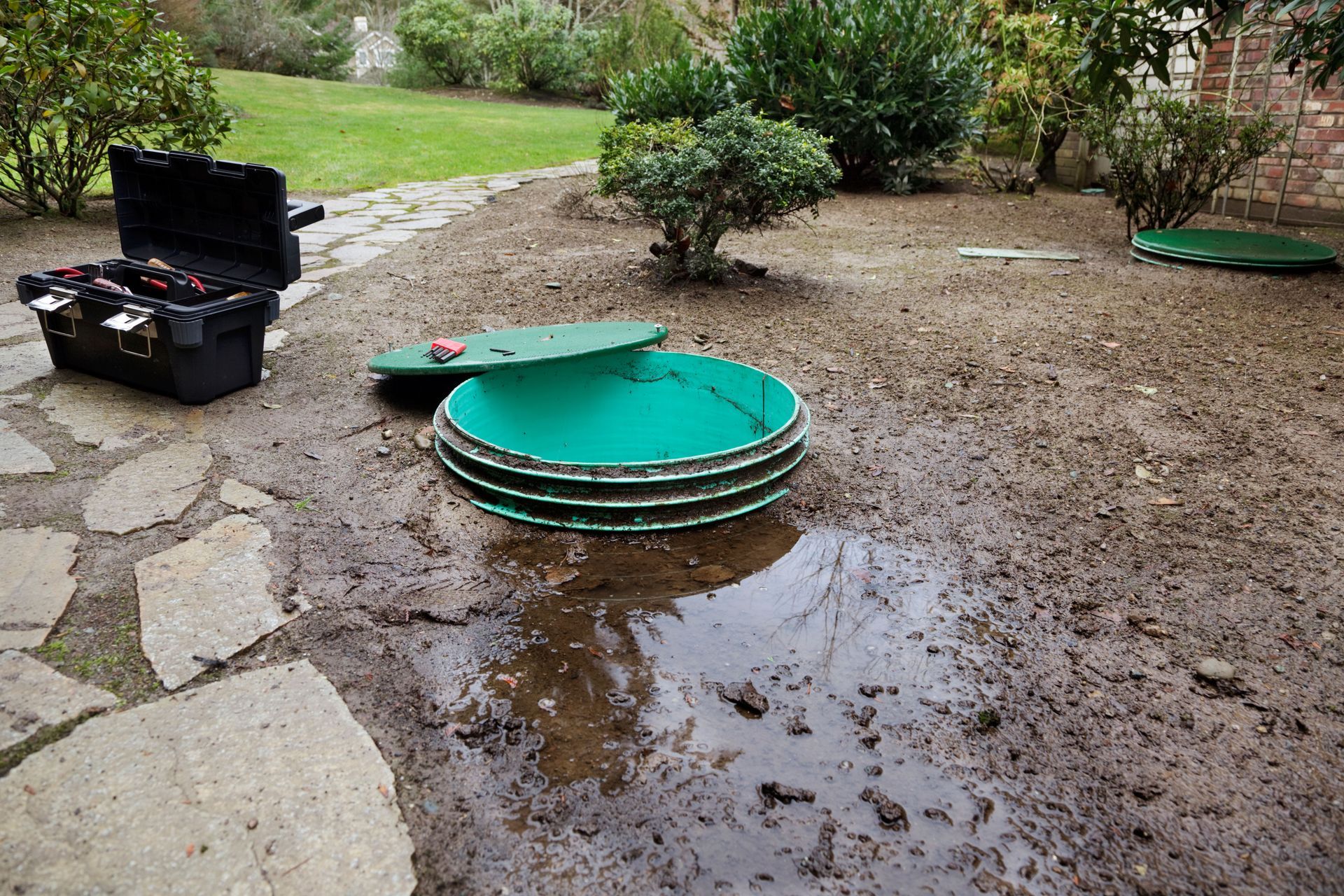
Beyond the interior plumbing, the physical area surrounding your underground components serves as a direct reflection of internal health. Soggy patches of grass, unusually vibrant vegetation over the absorption area, or mild, localized odors all point toward a breakdown in the filtration process. According to the United States Environmental Protection Agency, the average household should have their septic system inspected at least once every three years. Regular inspections help identify potential problems early, allowing for timely interventions. Professional septic service technicians possess specialized camera equipment and measuring tools capable of assessing sludge accumulation depths and structural soundness, giving you an accurate blueprint of required maintenance long before any visible failure manifests on the surface.
2. Managing Household Water Distribution
The total volume of water introduced into an underground treatment setup over a short period is a primary factor in determine its ultimate longevity. Every plumbing fixture in a modern home contributes to the daily hydraulic load, and excessive surges can easily disrupt the natural separation process inside the holding chamber. When large quantities of water enter the collection zone simultaneously, the fluid does not have adequate time to settle, which can push unsettled solids directly into the secondary filtration field. This hydraulic overload is a frequent cause of premature clogging in the surrounding soil, making water conservation a cornerstone of structural preservation. Spreading out water-heavy activities evenly across the week prevents the internal environment from becoming overwhelmed by sudden volume surges.
Upgrading to modern, low-flow plumbing fixtures throughout the house is an excellent strategy for reducing daily operational strain automatically. Implementing high-efficiency showerheads, aerated faucets, and dual-flush toilets permanently lowers the baseline volume of wastewater your property generates. Additionally, external water management plays an equally vital role in protecting the subterranean filtration zones from becoming oversaturated. Directing roof gutters, downspouts, and automated lawn irrigation systems away from the absorption area ensures that the surrounding soil remains capable of processing household discharge. Keeping the ground naturally unsaturated allows the soil to maintain the ideal oxygen levels required for treating effluent effectively.
3. Disposing of Waste Mindfully
The kitchen and bathroom drains are designed exclusively for organic human waste and readily degradable tissue, yet they are frequently misused as general disposal conduits. Introducing non-biodegradable items into the drainage network creates immediate physical obstructions and accelerates the accumulation of solid material at the bottom of the collection chamber. Items like disposable wipes, dental floss, paper towels, and plastic packaging do not break down over time, meaning they permanently reduce the available volume inside the holding area. Over time, these materials form dense blockages that restrict fluid movement, increasing the risk of wastewater backing up into the lowest drains of the home.
Chemical inputs require an equal amount of caution, as the underlying treatment process relies entirely on active populations of beneficial microbes to dissolve solid waste. Pouring leftover household paints, harsh solvents, automotive fluids, or excessive amounts of concentrated chemical cleaners down the sink acts as a toxin to these microscopic organisms. When the microbial population is depleted by chemical contamination, solid waste stops breaking down efficiently, leading to rapid system clogging. Similarly, heavy cooking grease and food scraps from kitchen preparation should always be collected in separate trash receptacles rather than rinsed down the drain. Grease cools and solidifies inside underground pipes, creating stubborn barriers that impede the flow of wastewater and accelerate the need for an emergency septic service visit.
4. Preserving Absorption Field Integrity
The final stage of domestic wastewater treatment relies completely on the physical and biological properties of the soil zone dedicated to filtration. This absorption area must remain completely uncompacted and undisturbed to allow cleansed liquid to percolate downward naturally through the earth. Driving vehicles, parking heavy machinery, or constructing temporary structures like sheds and patios over this specific section of the property causes severe soil compaction. When soil particles are pressed tightly together, the vital pore spaces required for fluid movement and air circulation are destroyed.
Vegetation management over this delicate zone requires careful selection to ensure that roots do not interfere with subterranean distribution pipes. Planting shallow-rooted grasses is the ideal approach, as their root networks stabilize the topsoil without extending deep enough to infiltrate or shift the underground piping. Conversely, planting large trees or aggressive shrubs anywhere near the treatment perimeter introduces a substantial risk of root intrusion, which can crack pipes and block fluid paths.
5. Arranging Professional Pumping Schedules
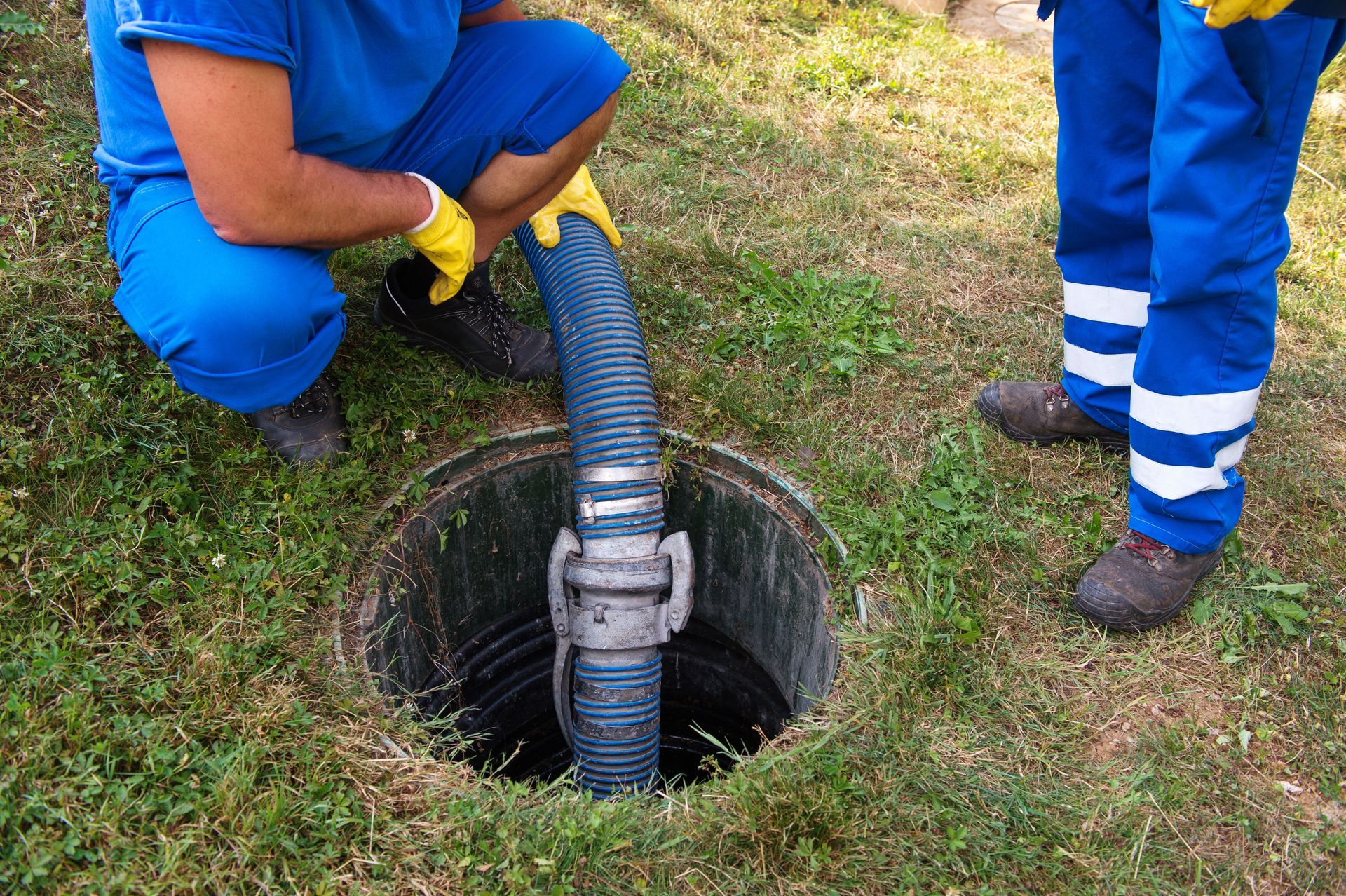
No matter how carefully a household manages water usage and waste disposal, solid materials will inevitably collect at the base of the primary containment unit over time. Routine physical extraction of this accumulated sludge is an absolute necessity to maintain the necessary storage space for daily wastewater treatment. Allowing the solid layer to rise too close to the exit ports guarantees that debris will eventually escape into the secondary filtration field, causing irreversible soil damage.
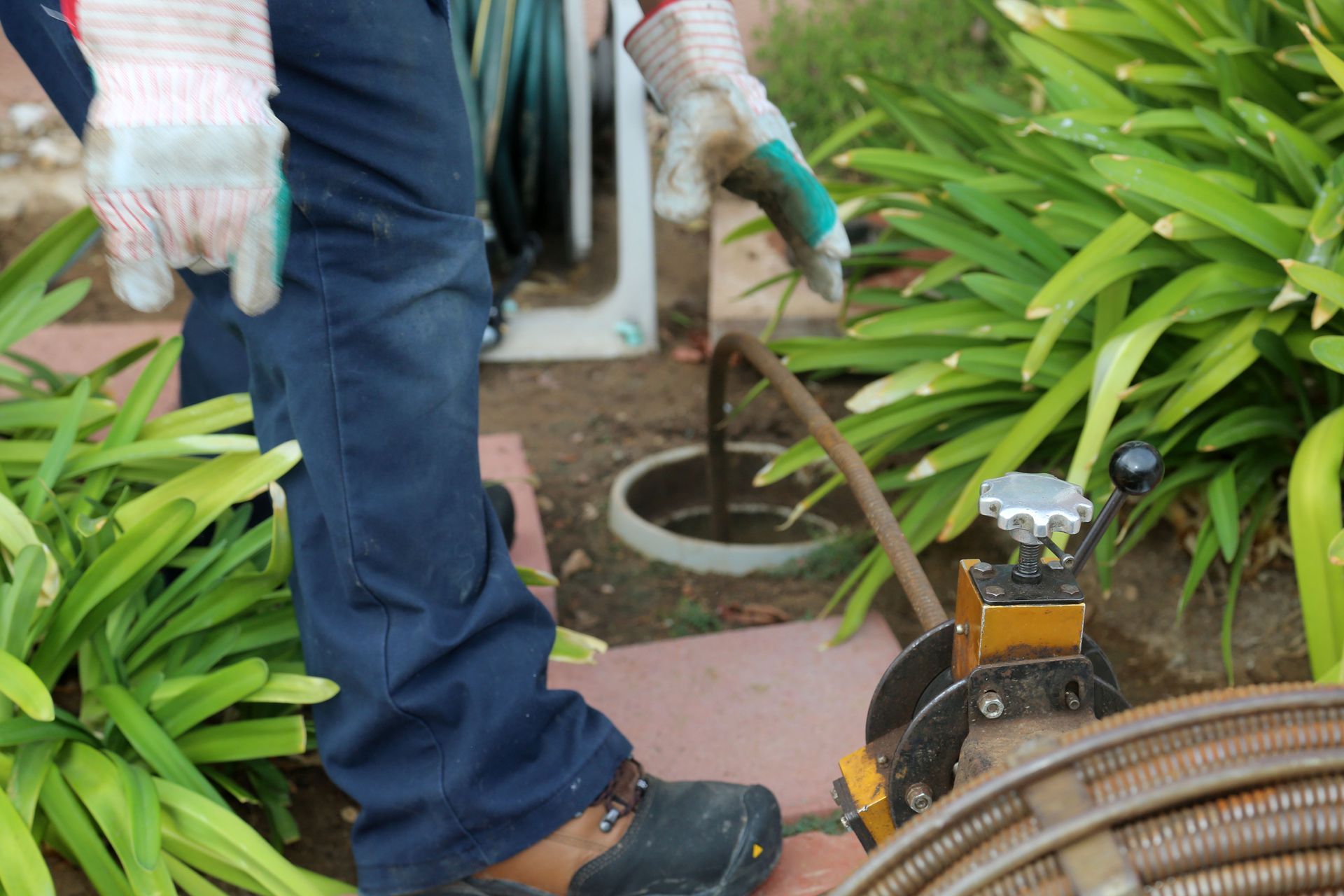
Partnering with a certified septic service company ensures that the extraction process is performed thoroughly and safely without damaging the underlying concrete or fiberglass infrastructure. Skilled technicians do not simply empty the container; they evaluate the interior baffles and check for structural stress fractures that could compromise the system. Attempting to ignore this straightforward preventative measure always results in much higher remediation costs down the road when the filtration field becomes completely blinded by solid migration.
Taking a proactive stance toward the care of your underground utilities is an ongoing responsibility that delivers substantial long-term financial and environmental dividends. By combining mindful daily water habits with strict waste disposal guidelines, you drastically lower the physical stress placed upon your home infrastructure. Remember that the natural biological and physical processes keeping your property clean rely on a delicate internal balance that is easily disrupted by neglect or chemical abuse. Implementing these expert management strategies ensures that your domestic infrastructure continues to operate safely and invisibly beneath the surface for years to come. When you need expert guidance or routine preventative maintenance, scheduling a professional
septic service is the most reliable way to secure peace of mind. Reach out to Hendricks Septic Tank Service Inc today to connect with certified professionals who can evaluate your current setup and implement a customized care plan tailored specifically to your property needs.